Are You Over-Dosing Your Chemicals? How Correct Dilution Saves 30% on Housekeeping Costs
Over-dosing doesn't make a facility cleaner — it damages assets and drains the budget. Here is what exact dilution ratios are worth, area by area.
Walk into almost any commercial facility — a bustling hotel, a hospital floor, a busy restaurant kitchen, a commercial laundry — and you will likely spot the same habit: staff free-pouring concentrated cleaning chemicals straight into a bucket or spray bottle.
There is a common belief among cleaning crews and household users alike that if a little chemical cleans well, a lot of chemical will clean faster and better.
That assumption is costing you serious money. Over-dosing does not make your facility cleaner; it destroys your assets and drains your budget. By sticking to the recommended dilution ratios for your products, you can cut your monthly housekeeping chemical spend by up to 30% while extending the life of your floors, fixtures and furniture.
The hidden costs of over-dosing: sticky floors and damaged assets
When staff use more chemical than recommended, three things happen at once.
- Sticky soap residues trap more dirt. Excess chemical does not wash away; it leaves a microscopic film on floors, counters and glass. Instead of repelling grime, your surfaces act like a magnet for fresh dirt, forcing your team to scrub twice as often.
- Asset damage and costly repairs. Heavy-duty chemicals are formulated with specific chemical balances. Over-dosing strong liquids eats away at floor polishes, corrodes metallic table legs, discolours expensive furniture and degrades equipment prematurely.
- Money poured down the drain. Concentrated formulas are designed to yield hundreds of cleaning buckets per container. Over-dosing halves that coverage, forcing you to reorder stock twice as fast.
Switch to precise dilution ratios and you stop destroying your physical assets and keep 30% of your chemical budget in your pocket.
Real examples across your facility
1. General surface care: protect your floors and furniture
The over-dosing trap. Dumping excess cleaner into a mop bucket strips away protective floor wax, dulls finishes and warps wooden furniture legs over time.
The smart dilution solution. Products like Budanet Intense LM / Ross DC are effective surface cleaner-cum-sanitisers. Diluting at 10–20 ml per litre of water gives you maximum germ control and dirt removal without leaving sticky films or damaging floor tiles and furniture surfaces.
2. Commercial kitchens: cut carbon without damaging equipment
The over-dosing trap. Kitchen staff often pour raw, concentrated degreasers directly onto hot equipment, expecting baked-on grease to dissolve in seconds. Instead it generates harsh vapours and can pit or etch metal surfaces.
The smart dilution solution. Grill Master / Kico Grill Cleaner is a heavy-duty cleaner with a powerful alkaline pH of 14, engineered to strip encrusted grease and carbonised oil. Used at the correct recommended dilution — or as a ready-to-use spray for heavy build-up — the active ingredients dissolve baked-on oils smoothly without harming valuable kitchen equipment.
3. Hospital and healthcare: precision germ kill
The over-dosing trap. In high-risk clinical areas, over-concentrating disinfectants leaves heavy chemical residues that create slick, unsafe floors and cause chemical vapour build-up in enclosed rooms.
The smart dilution solution. Hospital-grade disinfectants like Infektocide BR 502 require precision. Diluting at 5–20 ml per litre of water, based on the targeted contact time, achieves complete cold sterilisation and rapid microbial kill in operation theatres without irritating staff or damaging medical gear.
4. Laundry operations: fresh fabrics without fibre decay
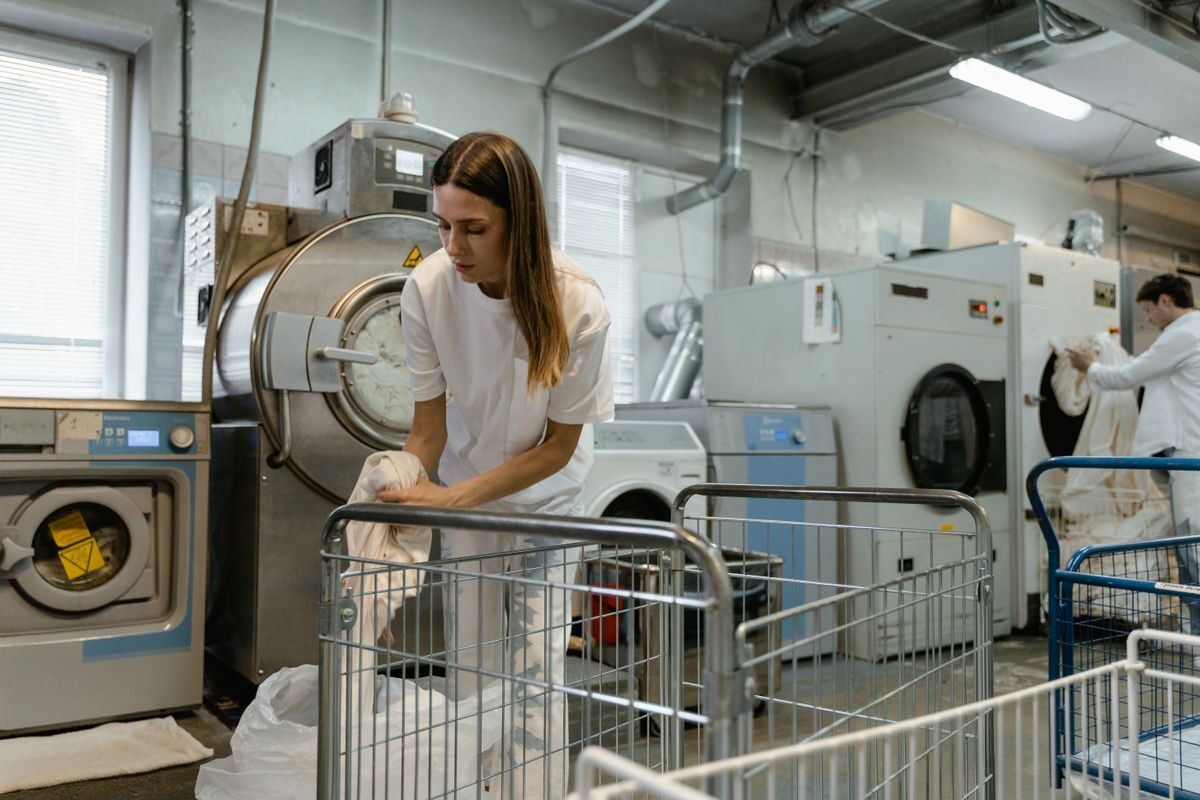
The over-dosing trap. Pouring extra detergent into commercial washing machines leads to chemical build-up in fabrics. Towels become stiff, linens scratchy, and fibres break down much faster under excessive chemical loads.
The smart dilution solution. Multipurpose liquid cleaners like Cleanwash are engineered to break down daily oils at just 10–20 ml per litre of water. Sticking to this ratio cleans thoroughly, rinses out cleanly, and keeps hotel linens and staff uniforms soft and durable wash after wash.
5. Glass and retail cleaning: clear views without the smudges
The over-dosing trap. Over-saturating glass surfaces with heavy liquid leaves streaks and spots that require double wiping and extra labour hours.
The smart dilution solution. Ready-to-use sprays like Ross GC Spray (B3) are pre-formulated for instant, streak-free clarity on vanity mirrors, windows and display cases with just a fine mist.
Three steps to lock in your 30% savings
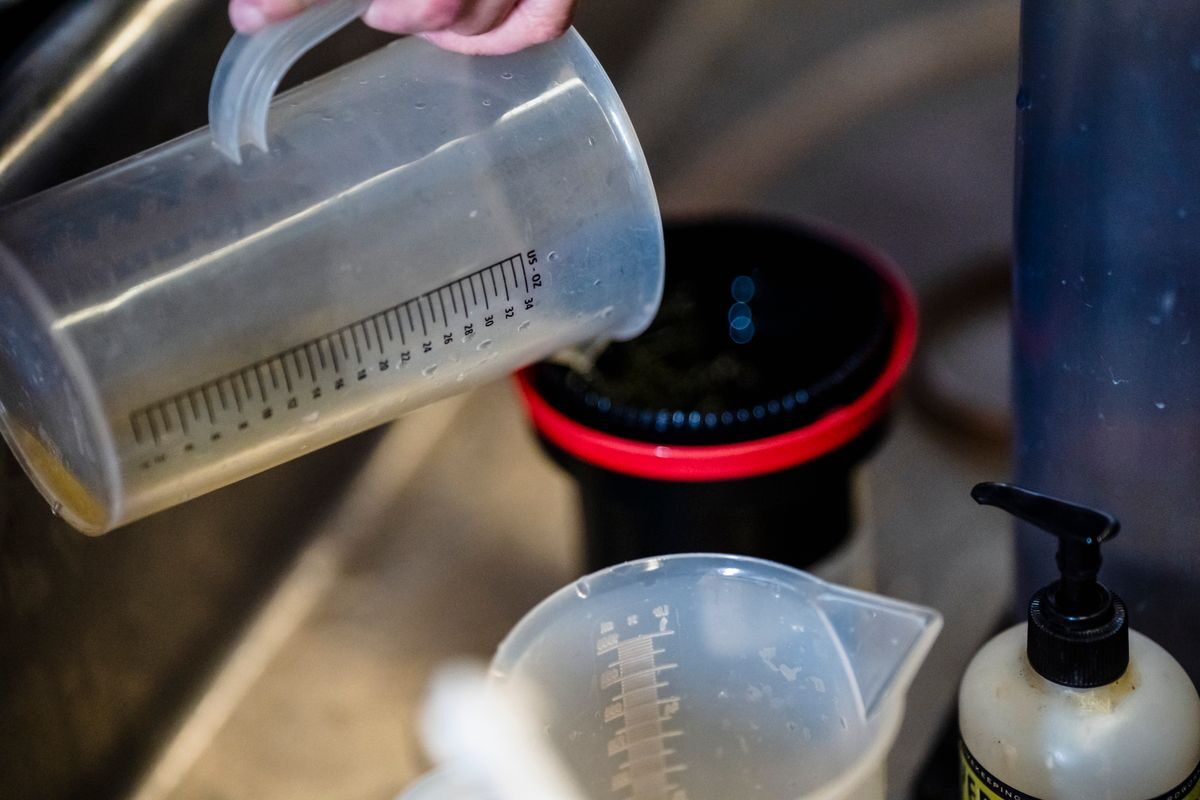
- Stop free-pouring. Move your team from guessing to simple measuring cups, dosing caps or automatic wall-mounted proportioners.
- Always fill water first. Train cleaning staff to fill buckets or spray bottles with water before adding the concentrate, to prevent excessive foaming.
- Post clear visual charts. Keep easy-to-read dilution wall guides right above mixing stations so every staff member knows the exact ratio for every job.
Take control of your housekeeping budget
Stop pouring your operational budget down the drain and damaging expensive facility assets.
- Request a free dilution control chart — a clear, visual wall chart for your mixing stations to keep staff on track.
- Install auto-dosing systems — take the guesswork out of dilution with precise, wall-mounted dispensers.
- Book a free chemical audit — our technical team will analyse your current chemical usage, train your housekeeping staff and unlock your 30% savings.
- Dosing
- Cost
- Training