Extending Linen Life: How Water Quality Affects Commercial Laundry Performance
Linens are a capital investment. The water filling your machines decides whether they stay soft and bright — or go stiff, grey and prone to tearing.
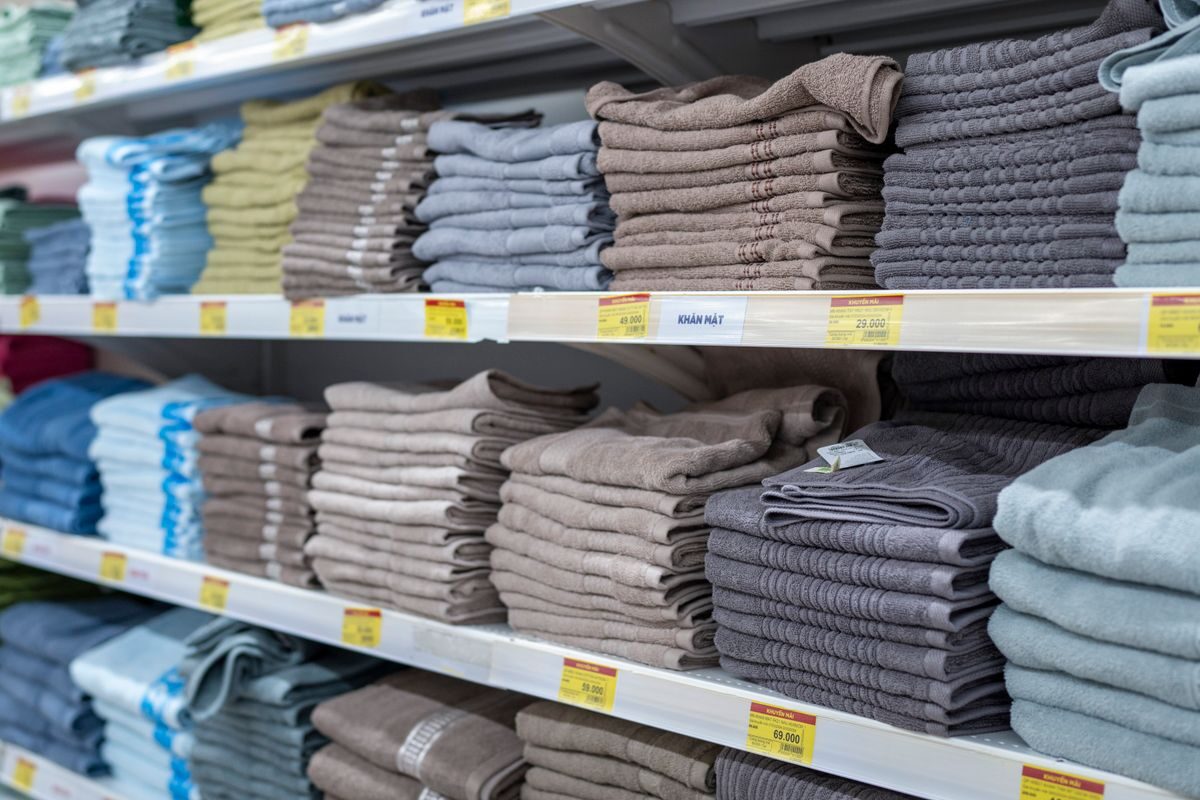
For hotel managers, hospital administrators and commercial laundry operators, linens are a major capital investment. Bed sheets, plush towels and uniforms are constantly subjected to heavy wash cycles, high temperatures and chemical treatments. One hidden factor degrades fabric quality and inflates replacement costs faster than anything else: water quality.
Most facility managers focus on choosing the right detergent. But the water filling your commercial washing machines plays a massive role in whether your linens stay soft and bright — or become stiff, discoloured and prone to tearing.
The hidden impact of water quality on commercial linens
Water is not just a vessel for washing. Its mineral content directly alters how detergent performs and how fabric fibres react during a wash cycle.
1. The hard water trap: calcium and magnesium
- Inactivated detergents. Dissolved minerals in hard water bond with the active surfactants in liquid detergents, neutralising their cleaning power before they can lift oils and dirt.
- Sticky mineral deposits. As hard water washes through fabrics, calcium and magnesium salts get trapped inside the weave of the linen.
- Fibre decay and stiffness. Over time these microscopic mineral crystals harden inside the threads. Every time a towel or sheet flexes, the sharp deposits cut into the cotton fibres, causing fraying, reduced tensile strength and a scratchy texture.
2. Heavy chemical residues and greying
When water quality is poor, wash cycles need extra detergent or altered wash ratios to compensate. Over-concentrating detergent without proper rinse conditions leaves soap scum locked inside the fabric. Instead of coming out crisp and white, linens develop a grey or yellow tint that no amount of bleaching will fix.
Real-world solutions: optimising your laundry performance
Extending the life of commercial linens means balancing water condition against precise chemical application.
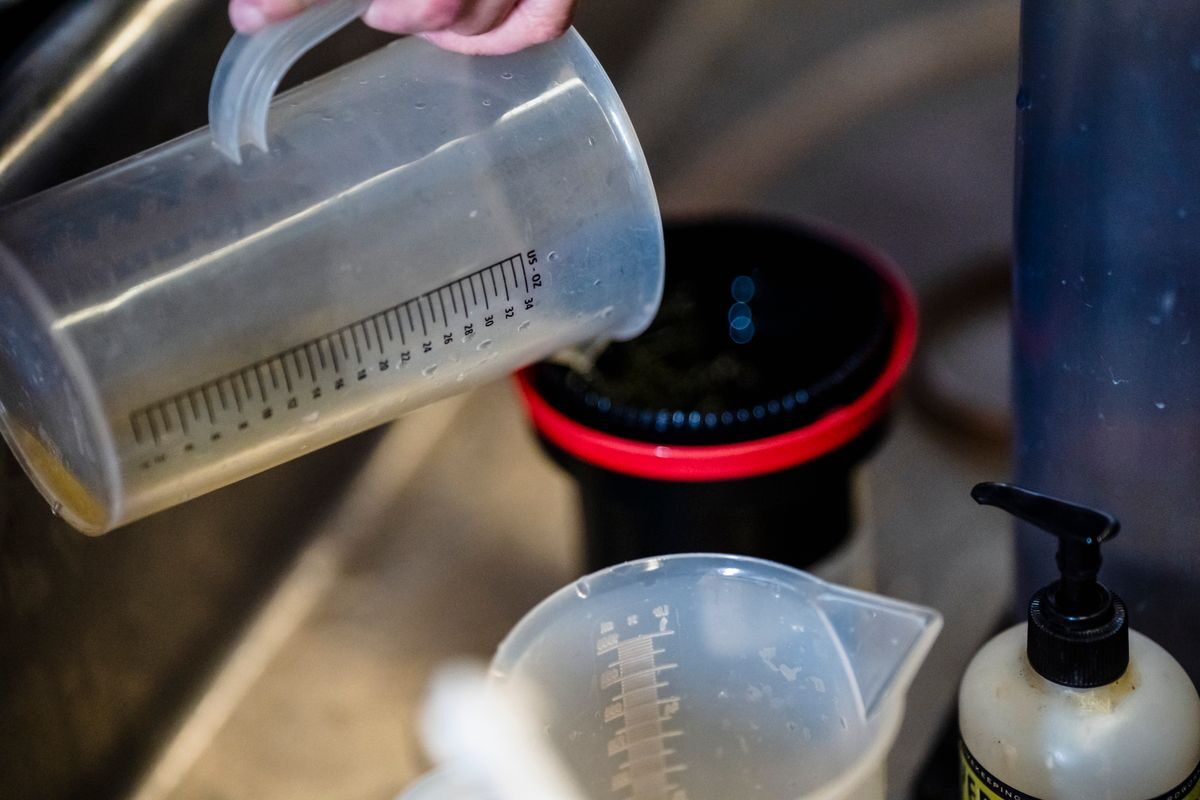
- Standardise your dilution ratios. Avoid guessing or free-pouring detergent into wash loads. Concentrated, multipurpose liquid formulations like Cleanwash break down daily body oils and organic soils efficiently at the recommended 10–20 ml per litre of water, without leaving excess soap residue trapped in the threads.
- Ensure clean rinsing. Properly diluted detergents rinse out completely, leaving zero sticky films behind. That prevents fibres weakening during high-temperature drying cycles and preserves the softness of hotel towels and guest linens.
- Maintain the machines. Hard water scale does not just damage linens; it coats heating elements and water lines. Routine descaling protects your machinery and keeps water flowing cleanly through every wash cycle.
The bottom line: save your linens and cut costs
Water quality directly affects your bottom line. By managing water hardness and using precise, residue-free laundry detergents at their exact recommended dilution ratios, you stop fabric decay before it starts. The result: fresher, brighter linens, happier guests, and up to 30% savings on chemical and replacement costs across your facility.
- Laundry
- Water
- Hospitality