Cleaning vs. Disinfection: Choosing the Right Chemical Protocol for Healthcare Settings
When a surface needs cleaning, when it needs disinfection, and how to build a protocol that holds up in a ward, a theatre and a washroom.
"We disinfect every surface" sounds like the safer claim to make, but it's usually the wrong one — and it's often not even true, because a surface that hasn't been cleaned first can't be properly disinfected. Cleaning and disinfection are two different jobs, done with different products, for different reasons, and treating them as interchangeable is where most hygiene programmes go wrong.
Two different jobs
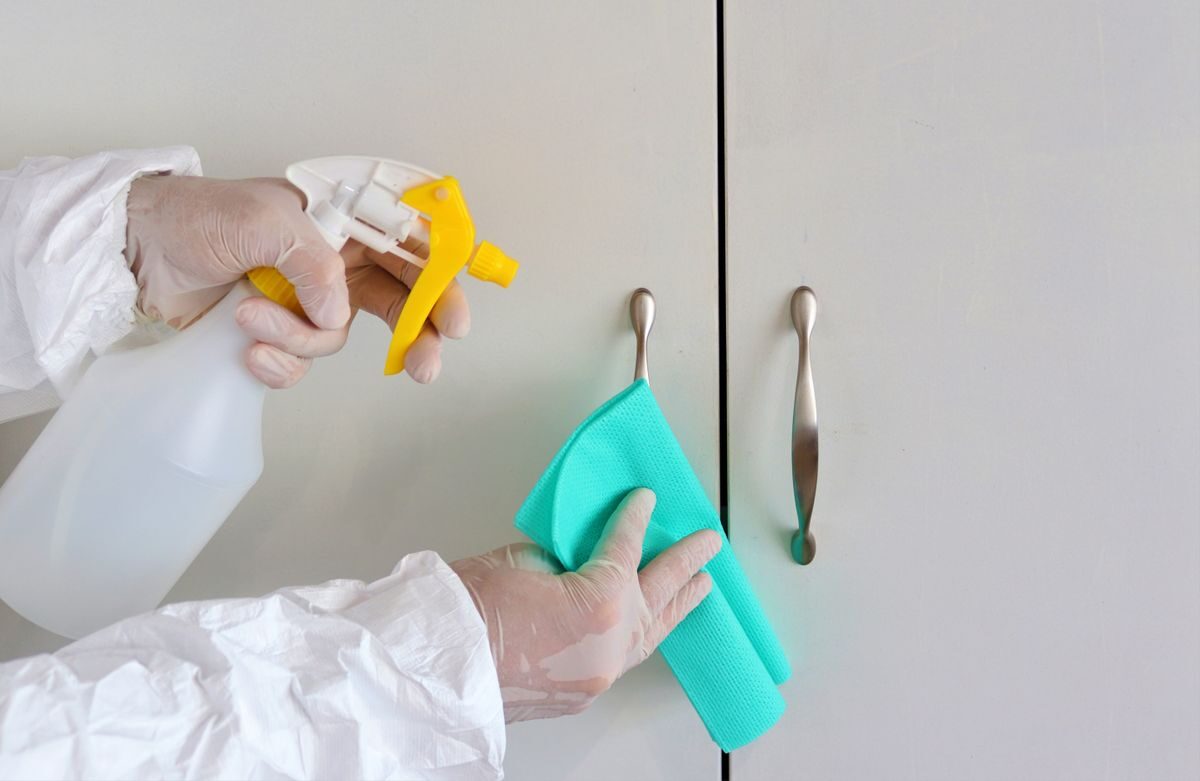
Cleaning removes soil — dirt, grease, organic matter, dust — physically, usually with a surfactant and mechanical action. It doesn't claim to kill anything; it claims to lift what's there off the surface. Disinfection reduces the number of viable microorganisms to a defined, safe level, using an active ingredient that has been tested to a specific standard against specific organisms. A surface can be visibly clean and still carry a microbial load, and a surface can be treated with a disinfectant and still be dirty. Neither test tells you about the other.
Why the order matters
Organic soil — food residue, blood, grease — neutralises disinfectant actives before they can reach the organisms underneath. This isn't a minor efficiency loss; it's the difference between a product working and a product doing nothing while the label says it should. That's why every credible protocol runs in the same sequence: clean to remove soil, rinse if the chemistry requires it, then apply the disinfectant and hold it wet for the full contact time stated on the label. Skip the clean step and you haven't disinfected a dirty surface — you've diluted a disinfectant into a dirty surface.
When you actually need disinfection
Not every surface needs it, and treating everything as a disinfection risk wastes chemical, adds contact time nobody has, and can leave residues that aren't necessary for the risk involved. Disinfection earns its place where there's a defined pathogen risk: food-contact surfaces after raw protein, healthcare touch-points, washroom fixtures, anywhere with a documented outbreak or infection-control requirement. A staff canteen table, an office desk or a retail counter is usually a cleaning task, not a disinfection one — regular cleaning removes the soil load that would let organisms establish in the first place.
Reading a label correctly
A disinfectant's claim is only valid at the dilution, contact time and surface type stated on its data sheet. "Kills 99.9% of bacteria" printed on a bottle means nothing without the standard it was tested to — EN 1276 and EN 13697 are the common European benchmarks for bactericidal activity on surfaces, EN 14476 for virucidal activity. If a product doesn't cite a standard, treat the claim as marketing, not data. And check the contact time: most failures we see on site aren't a product failure at all — they're a surface wiped dry thirty seconds after application, well before the label's stated time has elapsed.
Building the protocol for a healthcare setting
In a hospital the distinction stops being academic, because the same building holds surfaces at three very different levels of risk — and one protocol for all of them either wastes chemical or misses an infection route.
- Low-touch general areas — corridors, offices, waiting-room floors. A neutral cleaner-cum-sanitiser such as Budanet Intense LM / Ross DC at 10–20 ml per litre handles the daily soil load and keeps a floor finish intact. Reserve full disinfection here for a spill or an outbreak.
- High-touch clinical surfaces — bed rails, trolleys, door furniture, call buttons. These need cleaning and disinfection every shift, with a product carrying a cited standard and a contact time your team can actually hold. Wiping dry before the label's time has elapsed is the single most common failure we find.
- Critical areas — theatres, isolation rooms, instrument-processing bays. Precision matters most here: a hospital-grade disinfectant such as Infektocide BR 502 at 5–20 ml per litre, chosen against the targeted contact time. Over-concentrating does not buy a faster kill; it leaves slick floors and vapour build-up in enclosed rooms.
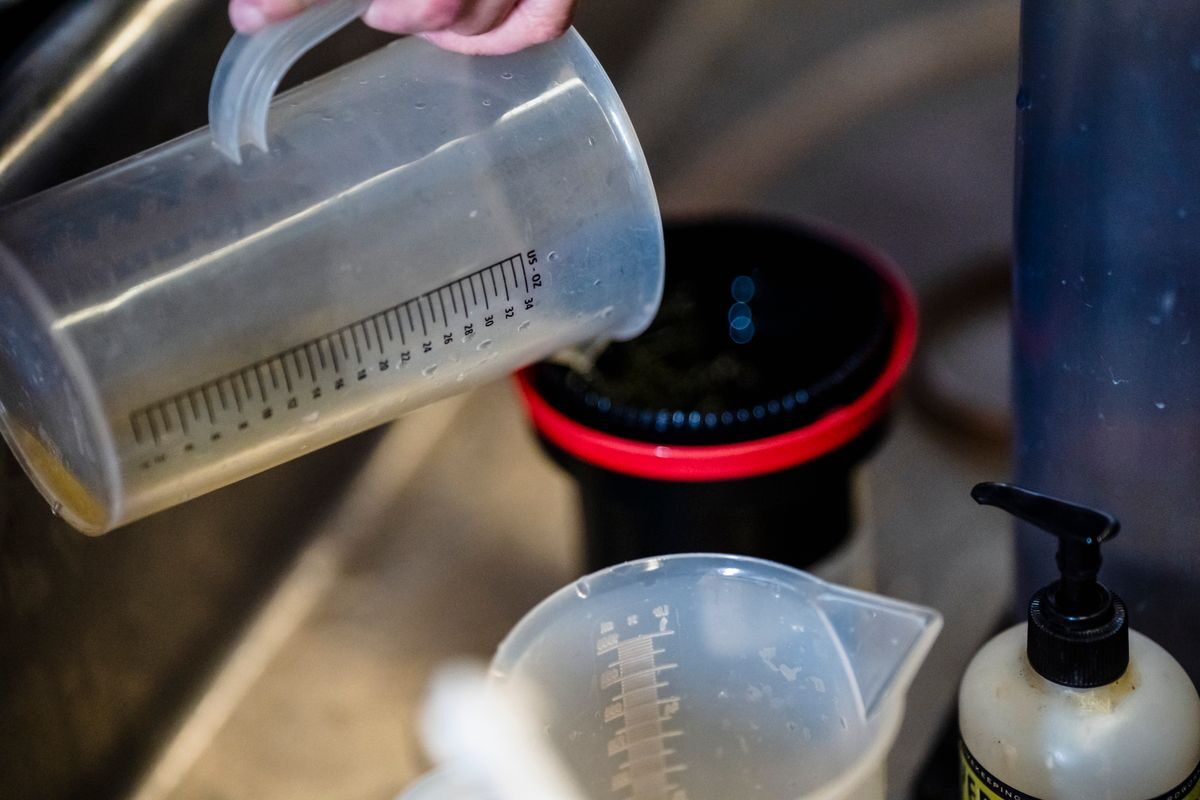
Write the sequence down per area — product, dilution, contact time, frequency, and who signs for it — and post it where the bucket is filled. An infection-control auditor is not asking whether the ward looks clean. They are asking whether you can show how it got that way.
Getting this distinction right isn't about buying two products instead of one. It's about knowing which job a surface actually needs, and giving it the full process rather than half of either one.
- Disinfection
- Hygiene
- Healthcare