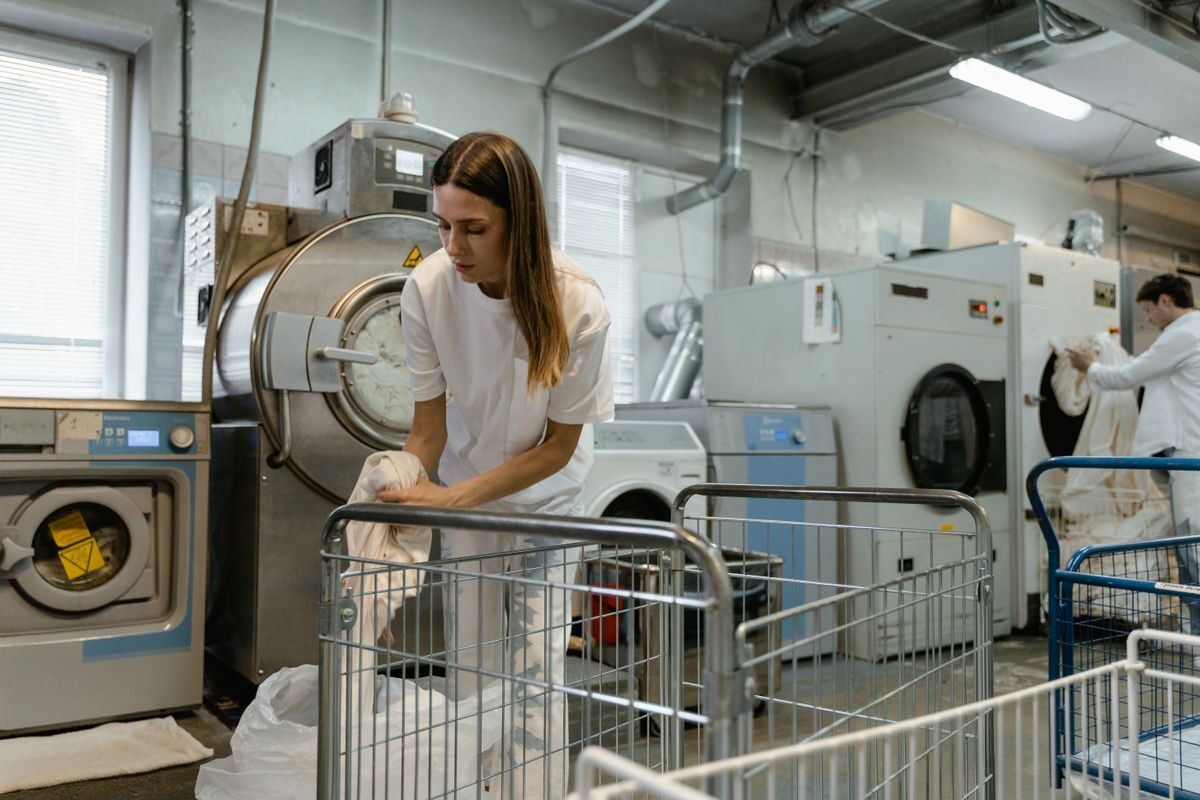
Hard water is why your linen looks grey
Greying is usually blamed on the detergent. It is more often the water it was mixed with.
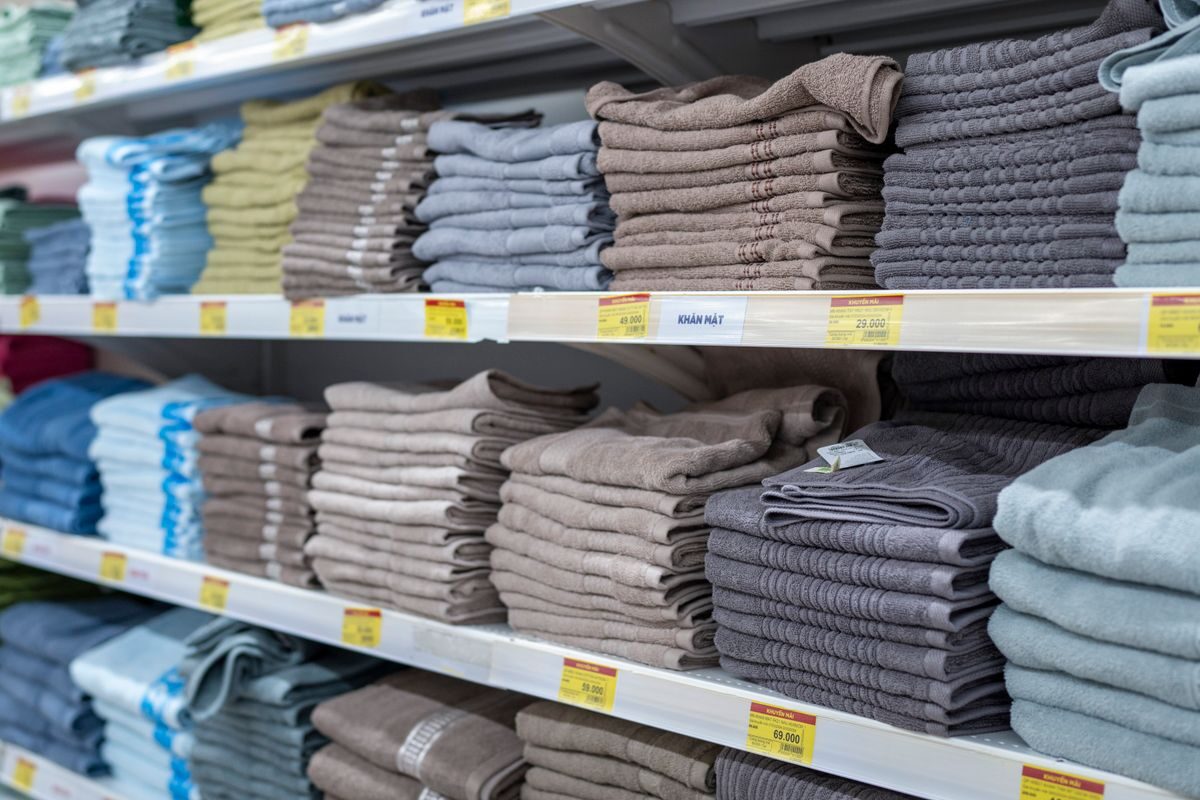
A hotel changes detergent because the sheets have gone grey, sees no improvement, and changes again. The detergent was rarely the problem. Calcium and magnesium in the wash water bind to the fibre and to the surfactant, leaving deposits that scatter light — and a grey sheet is a sheet with minerals in it, not dirt.
Measure before you change anything
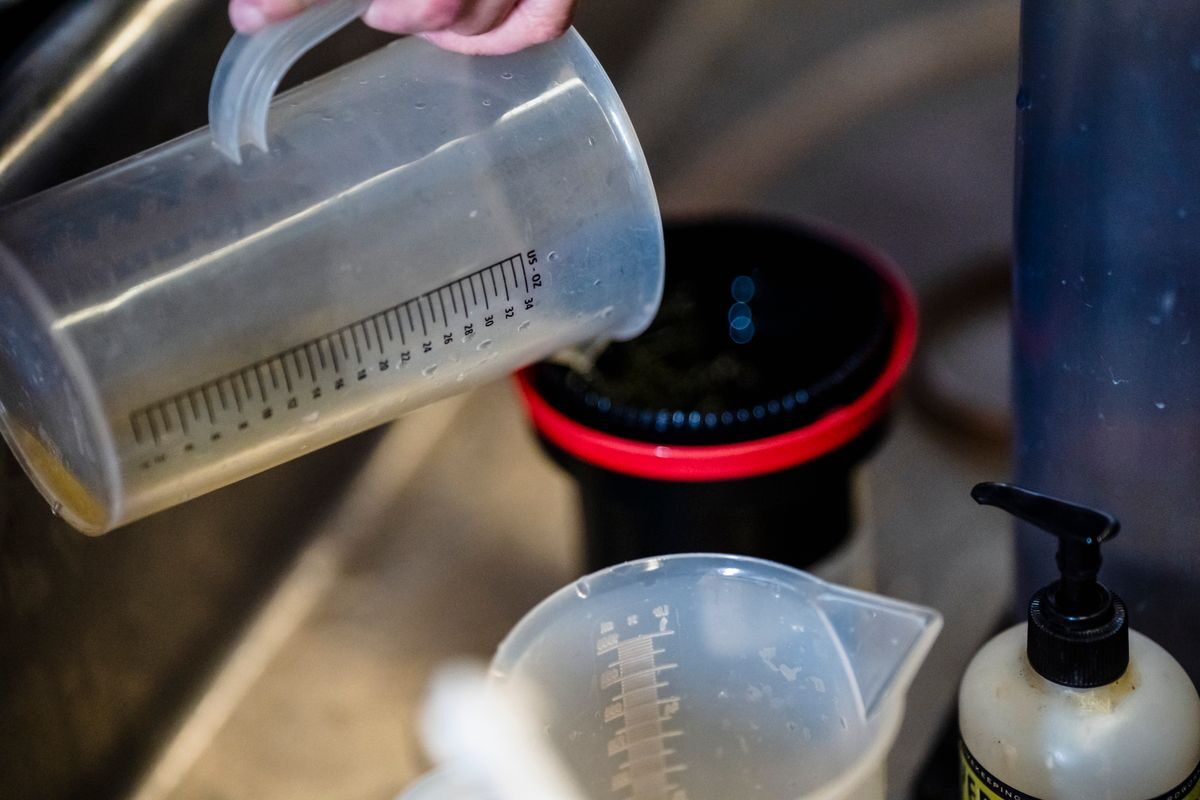
Hardness varies enormously across Nepal and it changes with the season and the source. Municipal supply in one month, borewell in the next, and the programme that worked in January stops working in May. A hardness test costs almost nothing and tells you whether you have a chemistry problem or a dosing one.
Anything above roughly 150 ppm as calcium carbonate will start to show on white linen within a few dozen wash cycles.
What actually fixes it
Softening the water is the real answer where volumes justify it, because it fixes every programme at once and reduces scale in the machines as a bonus. Where that is not practical, the detergent needs enough sequestrant to hold the hardness ions in solution — and that means dosing for your water, not for the label's assumed water.
Once deposits are already in the fabric, a sour or a dedicated destaining pass will pull them back out. That is a recovery step, not a routine one; if you need it every month, the underlying water problem has not been solved.
Do not fix it by raising the temperature
The instinct when linen looks tired is to wash hotter. It costs energy, shortens the life of the textile, and does not touch mineral deposits. The fibre wears out faster and the greying stays.
Recheck when the source changes
The most useful habit is to re-test hardness whenever the supply changes, and to re-check the programme after any change to dosing equipment. Laundry problems tend to arrive slowly and get noticed all at once, usually by a guest.
- Laundry
- Hospitality
- Water