Monsoon Hygiene Starts From the Floor — Here's Why
Rainy season pushes mud, humidity and fungal spores straight through your door. Floors take the brunt of it — and set the air quality for everything above them.
When the monsoon arrives, rainy days bring cooler weather and fresh air — but they also bring a hidden hygiene problem right to your doorstep. While most people focus on washing their hands or wiping down kitchen counters, the real ground zero for dampness, bacteria and seasonal illness is under your feet.
Your floors collect everything tracked in from the wet outdoors. From muddy footwear and airborne humidity to fungal spores, the floor absorbs the bulk of monsoon grime. Understanding how monsoon conditions affect floor hygiene — and how to handle them — is essential to keeping a whole living or working space healthy.
Why are floors worse in monsoon than other seasons?
During dry months, outdoor dirt is mostly dry dust that sweeps or vacuums away easily. The monsoon changes the equation by adding continuous high humidity alongside liquid moisture.
- A sponge for mud and pathogens. Wet shoes, rainwater drips and pet paws track outdoor slurry directly onto tiles, marble or hardwood. Moisture traps organic dirt, creating a breeding ground for bacteria and mould.
- Sluggish evaporation. High atmospheric humidity slows evaporation. Mopped floors stay damp far longer, creating a warm, moist environment where fungal spores flourish and give off a musty odour.
- Microbial transport. Rainwater runoff carries street contaminants, animal waste and sewer back-flow residue. Once dragged indoors, these invisible microbes settle into floor grout, tile pores and carpet fibres.
Why hard water makes floor cleaning harder
Many facilities and households rely on groundwater or municipal supplies that spike in mineral content during the rainy season. Mopping with hard water in the monsoon creates its own problems.
- Inactivated cleaning actives. High levels of dissolved calcium and magnesium react with ordinary soaps and low-grade detergents, neutralising the cleaning agent before it can break down greasy mud film.
- Sticky mineral residues. As hard water evaporates slowly in damp monsoon air, it leaves a cloudy layer of mineral scale mixed with un-rinsed soap. That sticky film grabs fresh dirt and turns floors dull and tacky.
- Grout discolouration. Mineral deposits seep into porous grout lines, trapping moisture and bacteria underneath. Over time this leads to black mould spots that regular scrubbing will not remove.
Simple monsoon floor habits that make a real difference
Clean floors through the rainy season do not need hours of extra scrubbing — just a few consistent habits.
- The double-mat trap. Place a heavy coir or rubber scraper mat outside your entrance to remove thick mud, followed by an absorbent microfibre mat inside to catch the remaining moisture.
- A no-shoe zone. Leave outdoor footwear at the entry door. Damp shoes stored in enclosed cabinets breed odour and mould fast; keep them on an open, elevated rack instead.
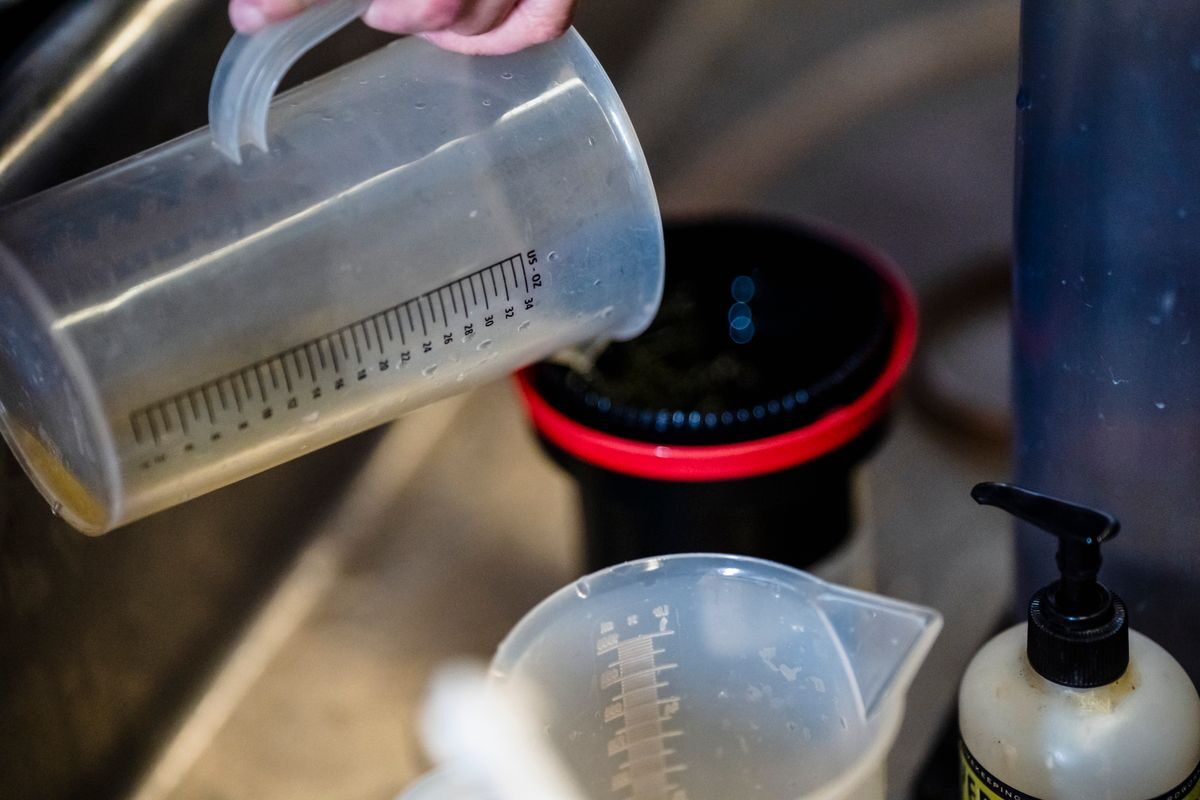
- Ditch free-pouring for pH-neutral formulations. Avoid heavy, soapy cleaners that leave sticky residue. Use a pH-neutral surface cleaner-cum-sanitiser such as Budanet Intense LM / Ross DC, diluted at 10–20 ml per litre of water, for deep microbial control without a soapy film that traps fresh mud.
- Wring mops microfibre-dry. Never flood floors with excess water during the monsoon. Well-wrung microfibre mops pick up dirt while leaving minimal moisture behind to dry quickly.
How floor hygiene connects to the rest of the building
It is easy to treat the floor as an isolated surface, but floor hygiene directly dictates the air quality and cleanliness of the whole indoor environment.
- Cross-contamination by contact. Footwear, bare feet and pet paws carry floor pathogens onto couch cushions, bedsheets and rugs.
- Airborne microbial circulation. As dried mud particles and mould spores crumble under foot traffic, fans and air conditioners lift them into the air, contributing to seasonal allergies, respiratory problems and persistent damp odours.
- Low-level contact hazards. Toddlers and pets spend most of their time on or near the floor, where residues, harsh chemical films and active bacterial colonies expose them directly.
Keep floors clean and properly sanitised at the right dilution ratios and you stop monsoon pathogens at the threshold — keeping indoor air fresh and the space protected all season.
- Floor care
- Monsoon
- Hygiene